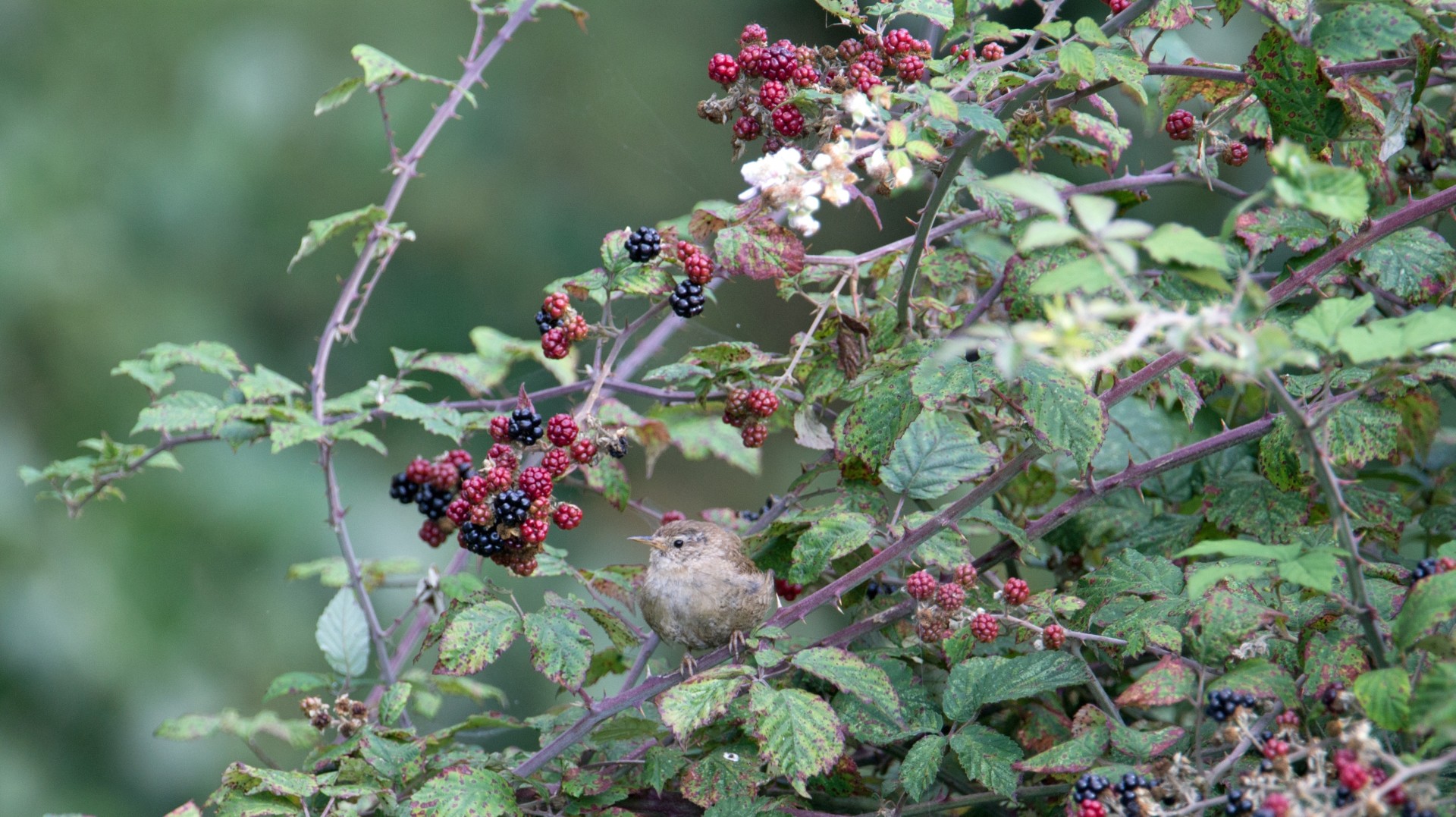
When we purchased Big Yard Farm in June 2023, we realised there were outcrops of invasive blackberries (Rubus fruticosus agg.) thriving around the property; in paddocks, through gorges and along the riverbank.
Our goal at Big Yard Farm is to completely eradicate the blackberry – which is a noxious weed – from our land. We embarked on learning all we could about blackberries – what they love and thrive on, and better still, what they hate!
As background, the blackberry poses a significant environmental risk and is extremely invasive. The fruit-bearing plant was introduced into New South Wales from Britain in the 1840s for its fruit and for making hedgerows. Shortly after, it escaped into the wild and by the 1880s was recognised as a significant weed. Blackberry fruit and seeds are spread by birds and foxes and in waterways such as creeks.
Most common in areas of high rainfall, the blackberry is prevalent on Big Yard Farm. Blackberry thrives across various habitats but prefers higher rainfall regions, particularly bushland, forest plantations, along streams, and on grazing land. We’re very fortunate to have high rainfall at Big Yard Farm, and waterways course throughout the property towards the river. It’s perfect territory for blackberries.
Blackberry poses significant challenges due to its aggressive growth and ability to outcompete native vegetation, impacting the ecosystem as well as farmland. Blackberry can quickly establish itself on disturbed sites, rocky outcrops, fallen trees or around native vegetation and spread rapidly, infesting large areas if left unchecked. Blackberry also creates a fire hazard as dead canes can stack up, increasing the risk of fires in dry seasons.
At Big Yard Farm we decided to map the areas where there were significant blackberry sections, and track our methods of removal by date, as well as by the level of success. That way we can measure progress over time and record our learnings for future benefit.
Removing old, fallen down trees and freeing up natives caught up in the blackberries is essential to preventing future growth. Cutting blackberries back to their roots and or slashing with the tractor has proved effective.
Once established, blackberry bushes offer shelter and food for pest species such as foxes and rabbits while also outcompeting and displacing other native plants by blocking sunlight from the soil surface.
Blackberry also poses hazards for grazing animals – including our resident cows – thickets can create barriers that restrict access to grazing areas and water sources as well as limiting access for recreational activities such as fishing in the river.
Management strategies are crucial to control the spread and mitigate the negative effects of blackberry. Once the blackberry has established itself, managing it is labor-intensive and challenging due to bush’s size and its thorny thickets.
The suggested methods for controlling blackberry include applying a registered herbicide via a quick ‘cut and paste’ to the stem, physical removal and mulching. We have experimented with all these methods, depending on the location on the farm and proximity to the freshwater river and dams.
At Big Yard Farm, we’re dedicated to controlling the spread of blackberry. We use machinery and manual labor to cut through blackberry bushes, and we promptly address fallen trees that could provide ideal habitats for blackberry growth.
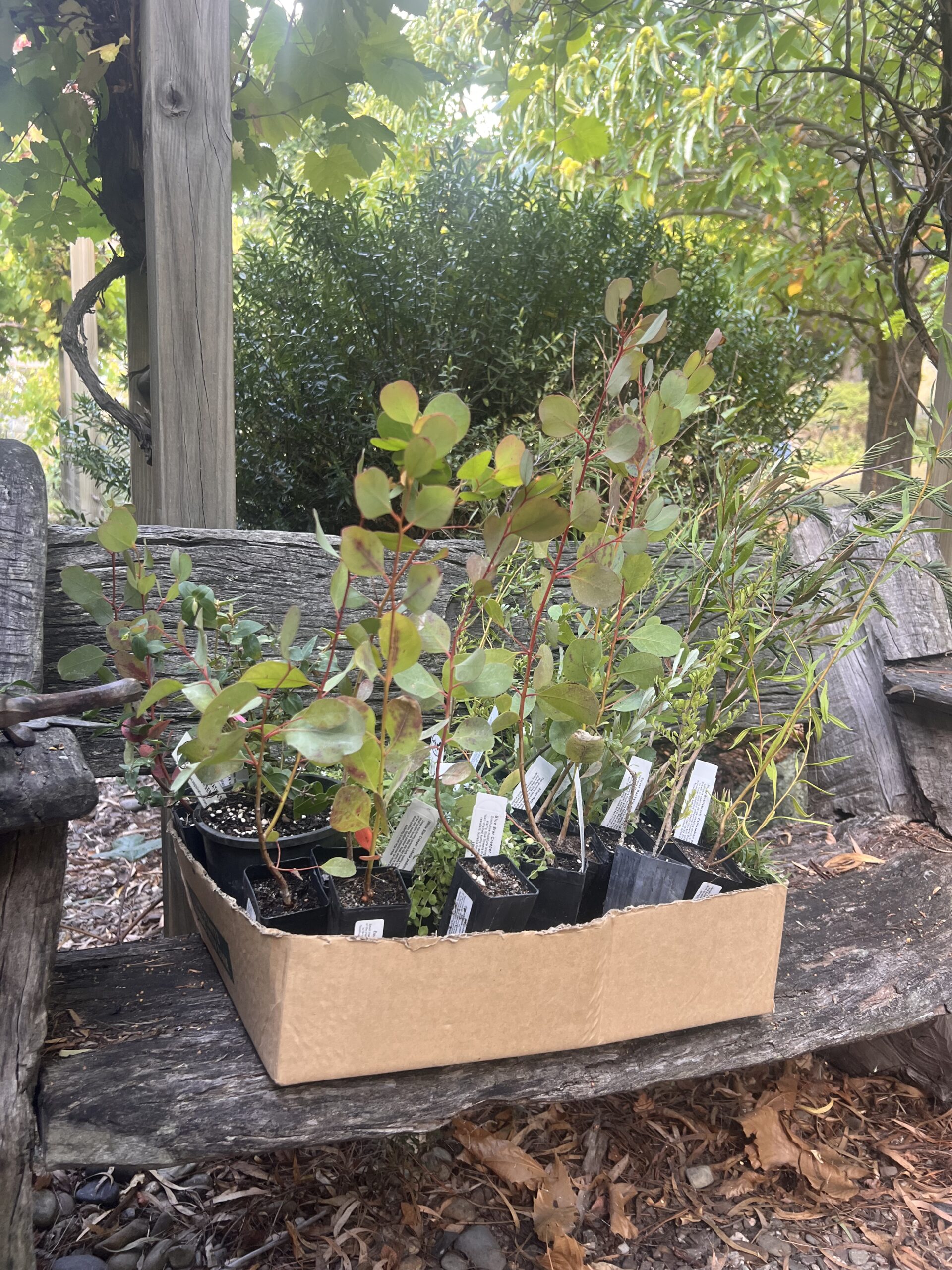
In addition, we have worked with the wonderful team at Wagtail Native Nursery to identify biodiverse native trees and bushes suited to the region that we can plant along the riverbanks following blackberry clearance.
Kelly at Wagtail Native Nursery suggested the following local native species to cover ground, reassure he riverback and attract native bees, birds and fauna:
- Microlaena stipoides – Weeping Grass
- Poa labillardierei – Common Tussock Grass
- Rytidosperma caespitosum – Wallaby Grass
- Themeda triandra – Kangaroo Grass
- There are a couple of groundcovers that love moist soil:
- Isotoma fluviatilis – Blue Star Creeper
- Lobelia pedunculata – White Star Creeper
We planted a small selection of tubestock all along the riverbank in April 2024. Results are to be tracked!
This planting out with local natives serves the handy multi-purpose of fostering native vegetation growth and attracting native birds, bees and fauna, firming up the riverbanks and mitigating the risk of reinfestation by depriving blackberry of conducive open spaces for growth.