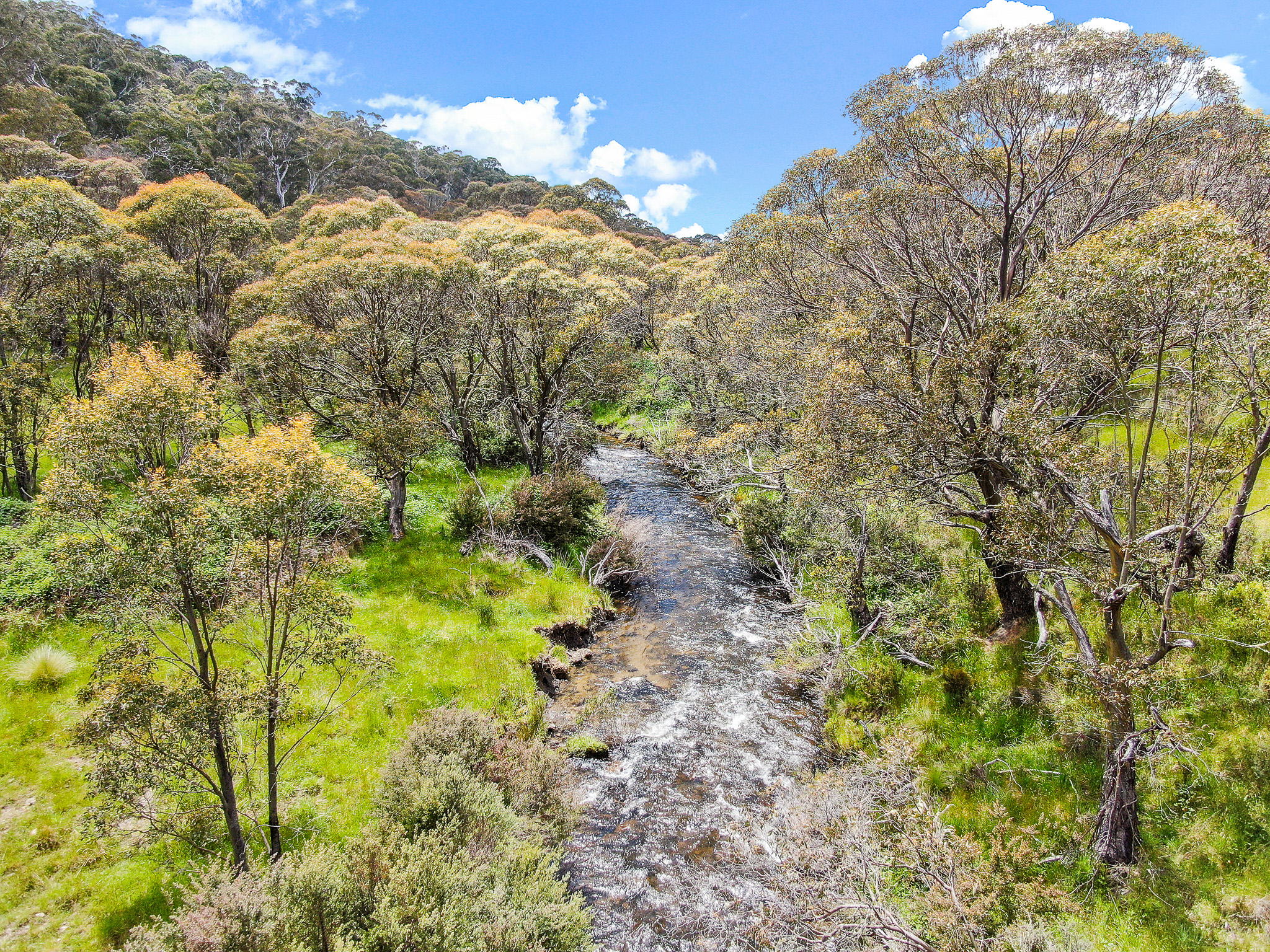
At Big Yard Farm, our most recent project that we have started on – but we are at the very beginning of a lifetime’s task – has involved establishing a wind shelter or shelterbelt along the Eastern border of our property, adjacent to our neighbours. The border is largely free trees or shrubs, leaving the area exposed to wind and lacking privacy. Our goal at Bog Yard Farm is to transform this space into a biodiverse habitat by planting native trees that are naturally local and suited to the area, attracting more birds and wildlife.
While wind shelters primarily involve rows of trees or shrubs planted strategically to diminish wind impact on the landscape, their advantages surpass wind reduction. Shelterbelts play a crucial role in mitigating soil erosion and providing shelter for livestock against harsh weather conditions. Windbreaks act as barriers against drifting snow, enhance the visual appeal of landscapes, and establish pathways and habitats for wildlife.
Teaming up with Wagtail Native Nursery in the Snowy Mountains, we received great guidance on selecting native plants suited to our region. They provided us with a biodiverse list of native plants and trees well-adapted to the local environment, ideal for serving as wind shelters. Additionally, they provided us with a wind shelter design to serve as the foundation for our project.
Kelly at Wagtail Native Nursery provided us with this big list of suitable native species to choose from to plant in specific spaces around the farm, including:
- Acacia dealbata – Silver Wattle
- Acacia melanoxylon – Blackwood Wattle
- Acacia pravissima – Oven’s Wattle
- Banksia marginata – Silver Banksia
- Bursaria spinosa – Sweet Bursaria
- Callistemon pallidus – Lemon Bottlebrush
- Callistemon sieberi – River Bottlebrush
- Eucalyptus camphora ssp humeana – Mountain Swamp Gum
- Eucalyptus pauciflora – Snow Gum
- Hakea microcarpa – Small-fruited Hakea
- Leptospermum brevipes – Slender Tea-tree
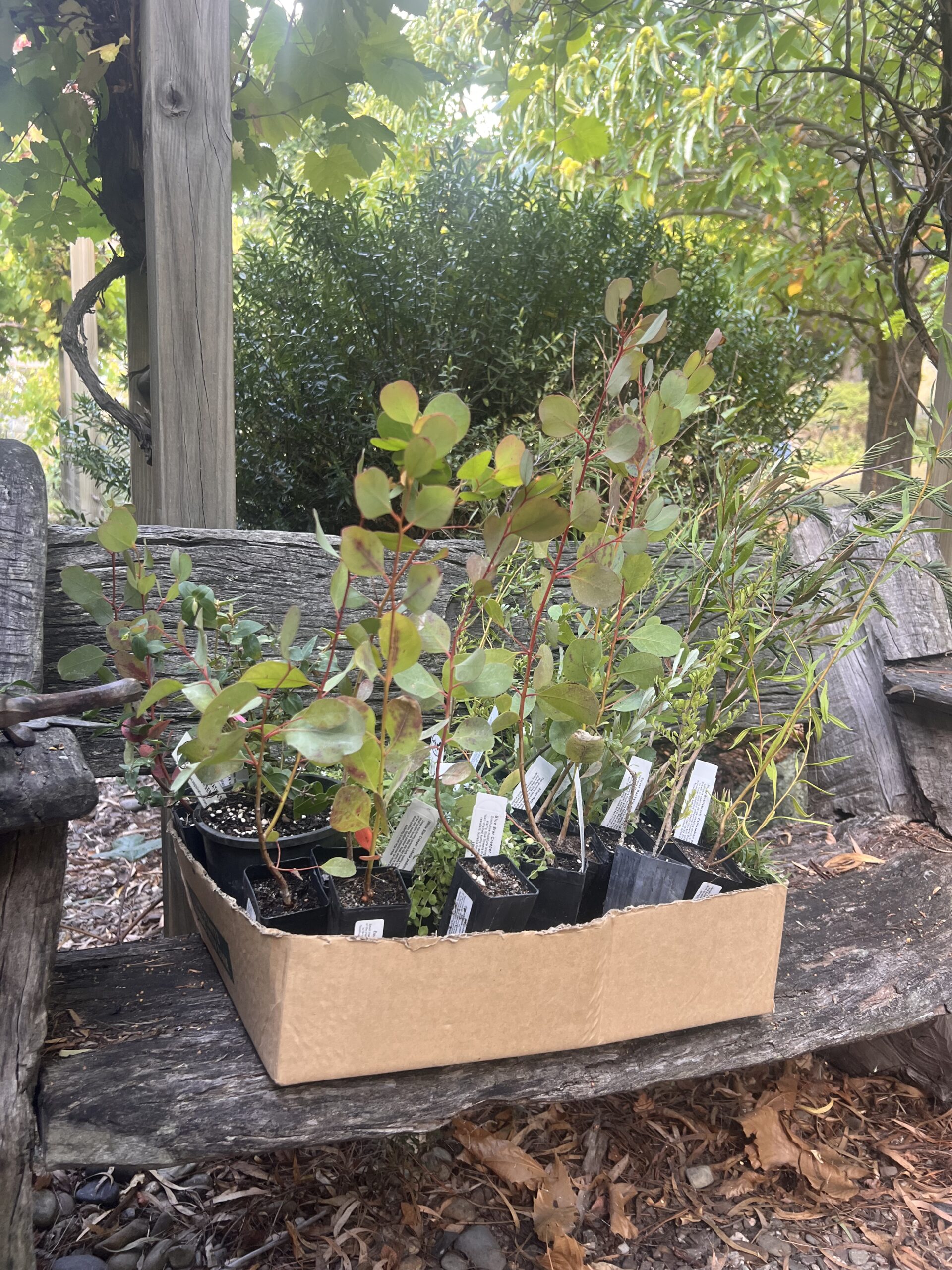
We ordered tubestock, with the folowng selctipn planted in for starters:
Shelterbelt
- Silver wattle x 3
- Silver banksia x 3
- River bottlebrush x 3
- Sweet bursaria x 3
- Small fruited Hakea x 3
- Swamp gum x 3